
Puppy Supplies
Our goal is your puppies success when he/she comes home. This page has been created to help you with the supplies that may be helpful upon your puppies arrival.
We are often asked what supplies we use in our home, and in turn what should be purchased for your new puppies arrival. All the products recommended below have been personally tested and used by us.
Containment - Pen / Crate
When your puppy comes home it is best to be prepared and have a containment plan. Our puppies are litter box trained and for the most part will seek out the box (if you choose to continue to use one). There will be times when you need to run errands, go to work, etc. During this time your puppy will need to be contained. We also recommend crate training for sleeping and meals. I personally have my puppies sleep in a crate next to my bed until they are at least 6 months old.
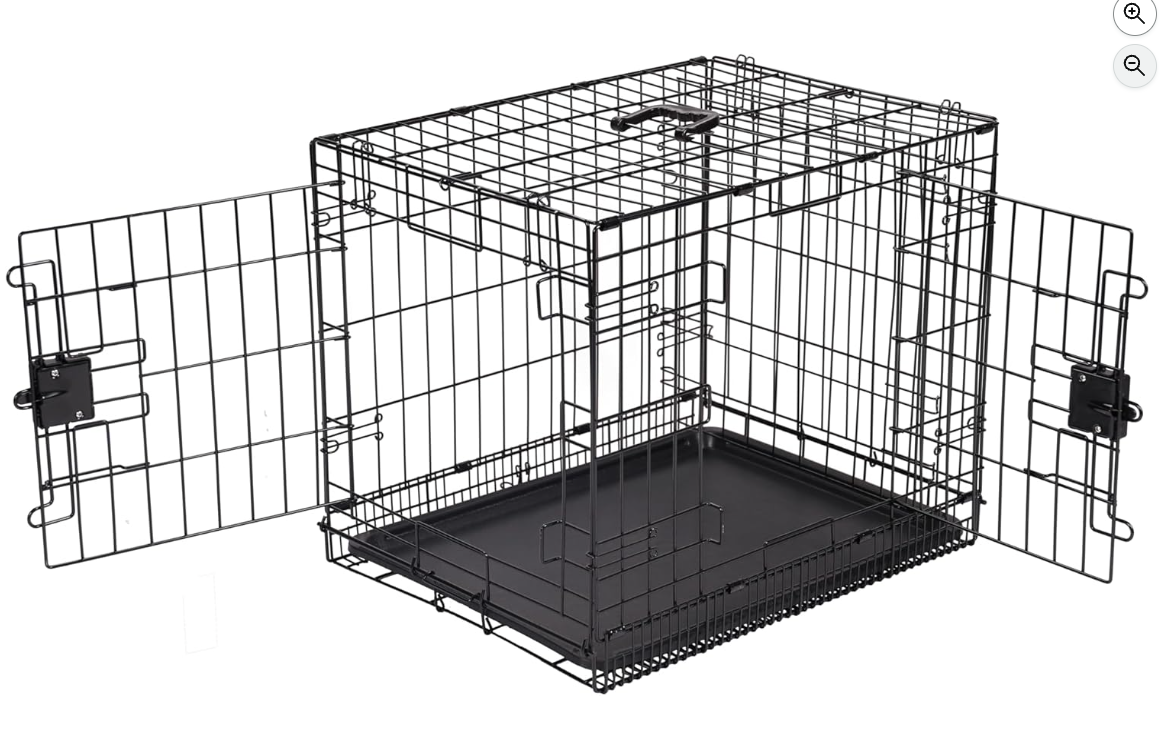
Amazon Basics Wire Crate
Over the years I have tested and used many wire crates. THIS is the one that I ended up purchasing (and in turn replacing all my previous wire crates). I am a BIG fan of the latch. I have dogs that will open crate doors, they are not able to with this latch! The 24 x 18 x 20 is a good size for your puppy to grow into.
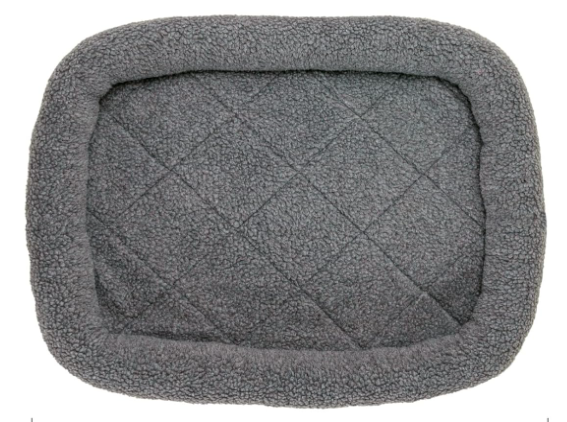
Crate Pad
Perfect to fit inside the crate or the puppy pen. Easy to clean, machine washable.
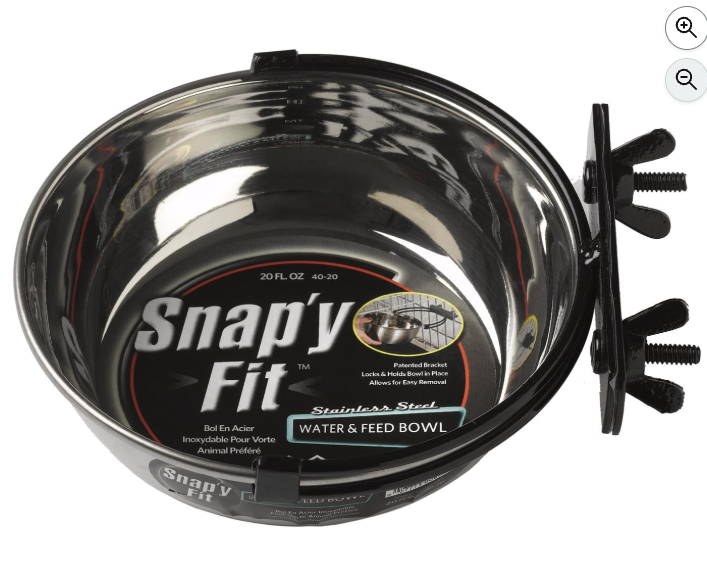
Stainless Bowl for Crate
I love these bowls, I use them for all of my dogs. Eating from a raised dish is a healthier option for your pup/dog. This bowl makes it is easy to feed in the crate. Which promotes not soiling, as they do not want to potty where they eat and sleep.
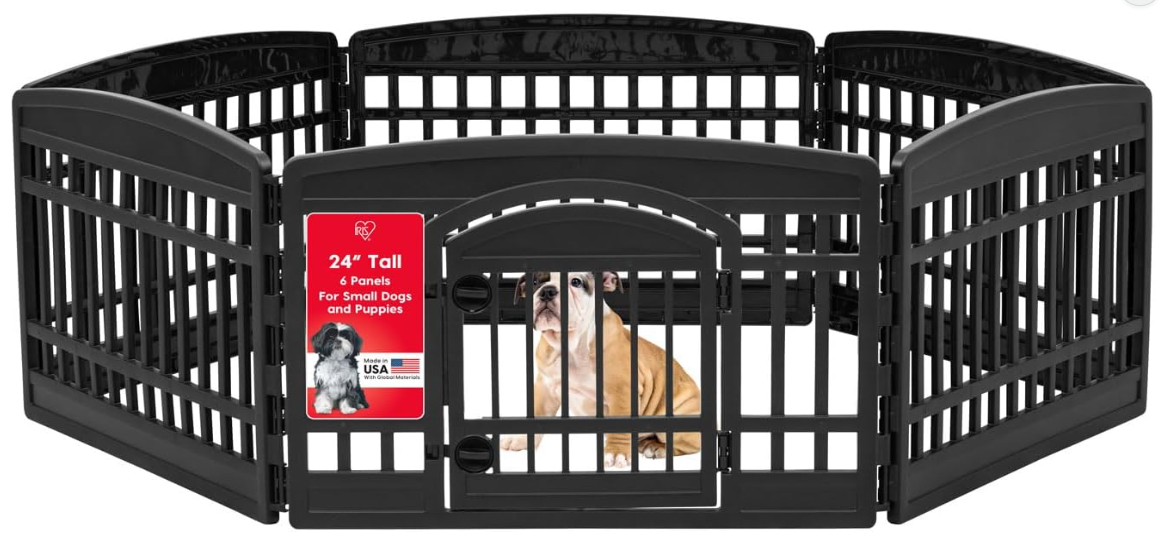
Iris Puppy Pen
Puppy pens come in many shapes and sizes. I have used many over the years (metal and plastic). The Iris Puppy Pen is the one that I have chosen to move forward with. I do recommend the 6 panel, which will allow you to expand the space once your puppy is acclimated. This will also work well with a litter box if you choose to use one. I have the 24" version, if you are worried about your puppy jumping you can upgrade to the taller version.
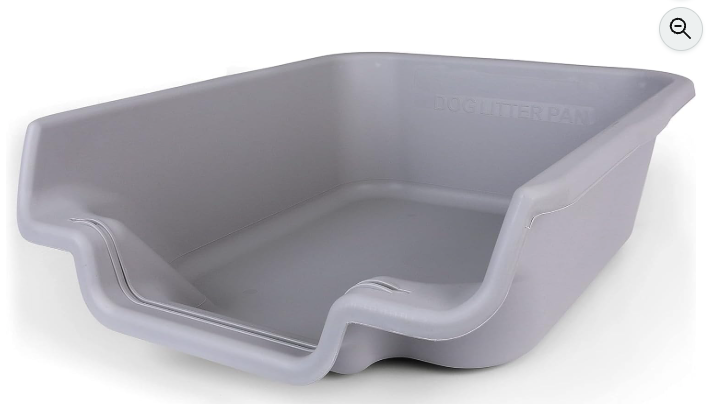
Litter Box
I have tested many different litter boxes over the years, from plastic to stainless. I prefer the cleanliness of stainless, BUT I have found nothing beats the tall sides of this plastic litter box (especially with boys). If you choose to continue using a litter box, this design will suit your pup in the moths and potentially years to come.
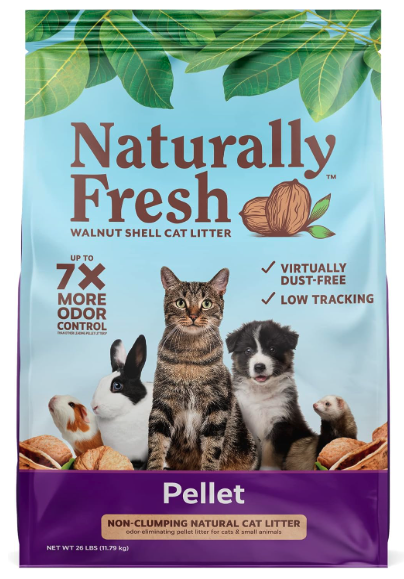
Litter
I have tested out most substrates on the market, from pine, paper, shavings, and fake grass. I keep coming back to the Naturally Fresh Walnut Pellets. I have found they are WAY less messy, creating less dust in my home. They are also easy to clean up using a combo of bags and a small dust pan. I then use the soiled litter to fertilize my outdoor plants.
Travel
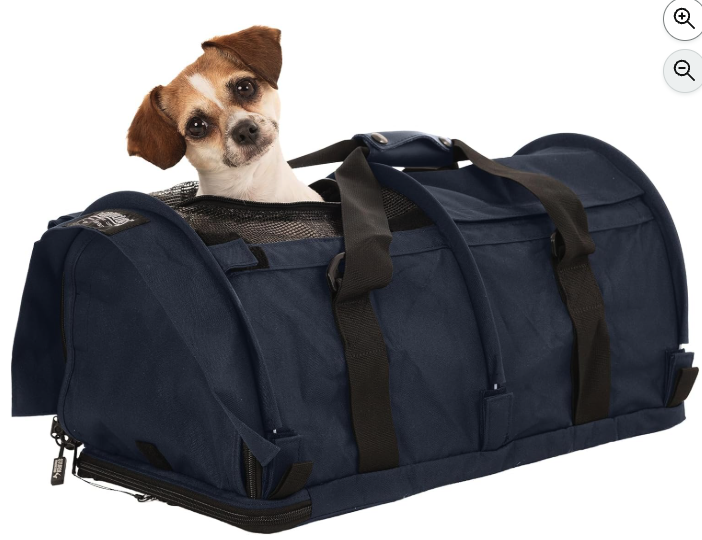
Flight Bag
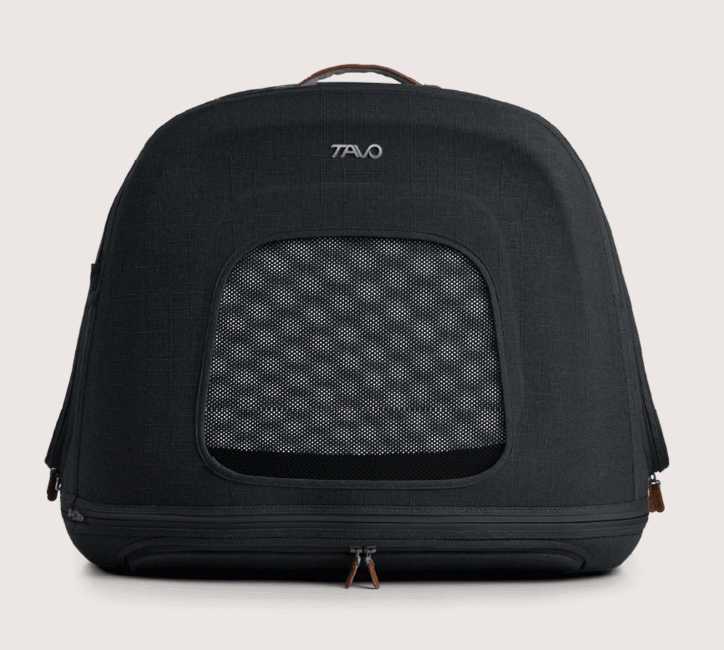
If your puppy will be flying home, I highly recommend the purchase of his/her flight bag. I do ask that you have it sent to me at least two weeks before your pickup dates. This will give me ample time to train your puppy to the bag, having them ready for travel day. Training the skill takes a LOT of the stress out of travel. Your puppy will look at their bag as their own. It is a known space, and this will make travel that much easier. This is the bag that we use for our own dogs. I recommend a medium or large bag*; the large size will allow room to grow and be useful for your dog's entire life. *Some airlines have given a little pushback on the large, BUT this is the size that I fly with, and I have never been refused.
Crash-Tested Solid Crate
We are firm believers that our dogs should be secure in the car when driving. 95% of the time we crate our dogs. This gives them more freedom to move around. The key is to properly secure your crate in your vehicle. They should not be left loose. When in the car, our dogs ride in a Mid-Size Ruffland Kennel. I do not recommend other plastic or wire crates in the car, as they are not safe if in an accident. This is a good option for those with an SUV, the crate can be secured with motorcycle straps to the SUV tie down area. Make sure to check your vehicle to ensure there are tie down points.
Crash-Tested Travel Crate
For those who would like to use a seat in the car to contain your puppy, the Crispin Travel Crate is top-of-the-line and crash-tested. It has an integrated latch system with easy installation. It also folds up for storage when not being used. Regardless of what you choose to use in the car, it is imperative that it is crash-tested. Just like we put babies in car seats, our dogs also need to be contained and safe.
Car Harness
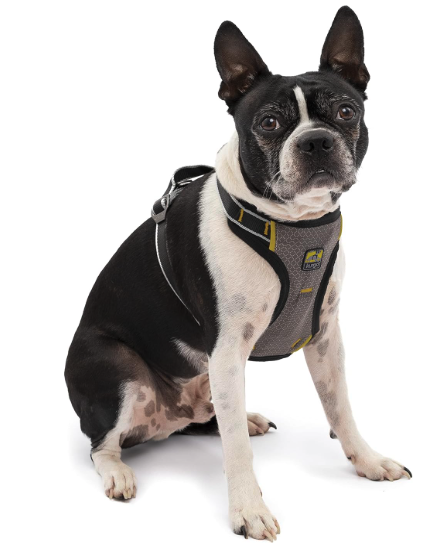
We understand that not everyone can fit a crate in their car. For that reason if your pup is going to ride loose, it is important to ensure that the harness you are using for them fits proper AND is crash tested. On those odd trips that one of my dogs ride loose (normally it is when we are out Jeeping in the desert) we use the Kurgo Harness, it is easy to use with any seatbelt assembly. This is NOT a harness I recommend for daily walking etc.
Home Life
Kuranda Dog Bed
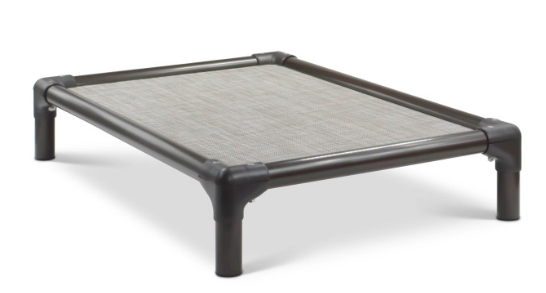
Once you dive into our Puppy Principles Online Academy (this is gifted to you as part of your puppy purchase), you will find that teaching your pup to go to "place" is a handy skill. We use and recommend Kuranda Pet Beds. The nice thing about a raised bed during training (and after) is that your dog is either on it or not. This makes the skill very black and white for your pup, expediting your training. PLUS, they are chew-proof! Perfect for puppies!!
Sensible Harness
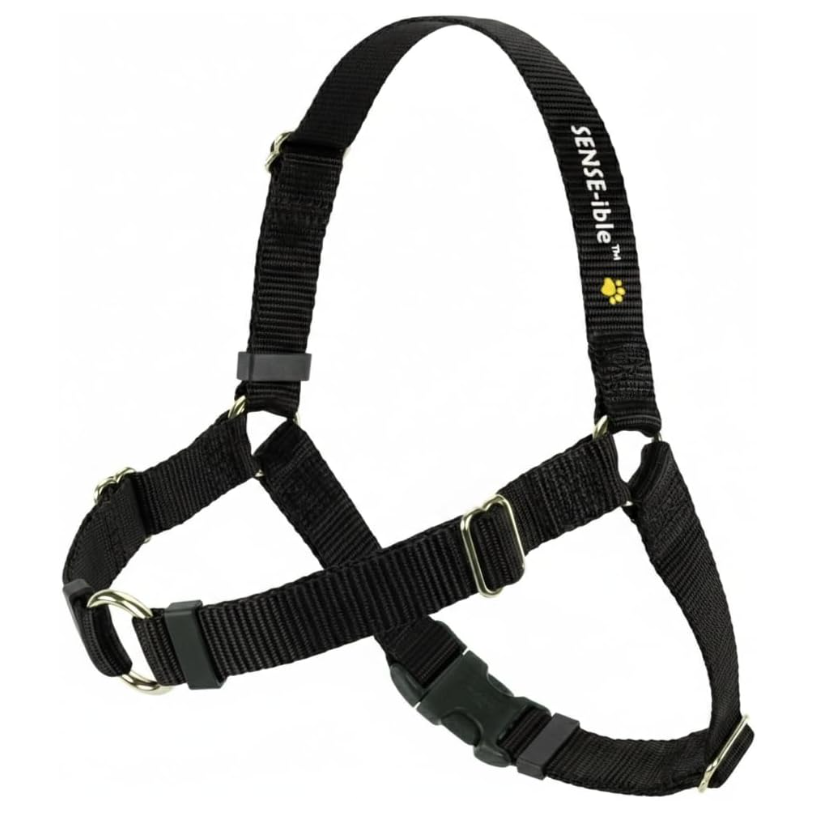
Using the correct style harness for your puppy is important. Any harness that latches on the back will promote pulling, creating habits that we want to avoid when they are young. I use and recommend either the Sensible or the Freedom harnesses with my personal dogs, my client dogs, and of course, recommend their use to you.
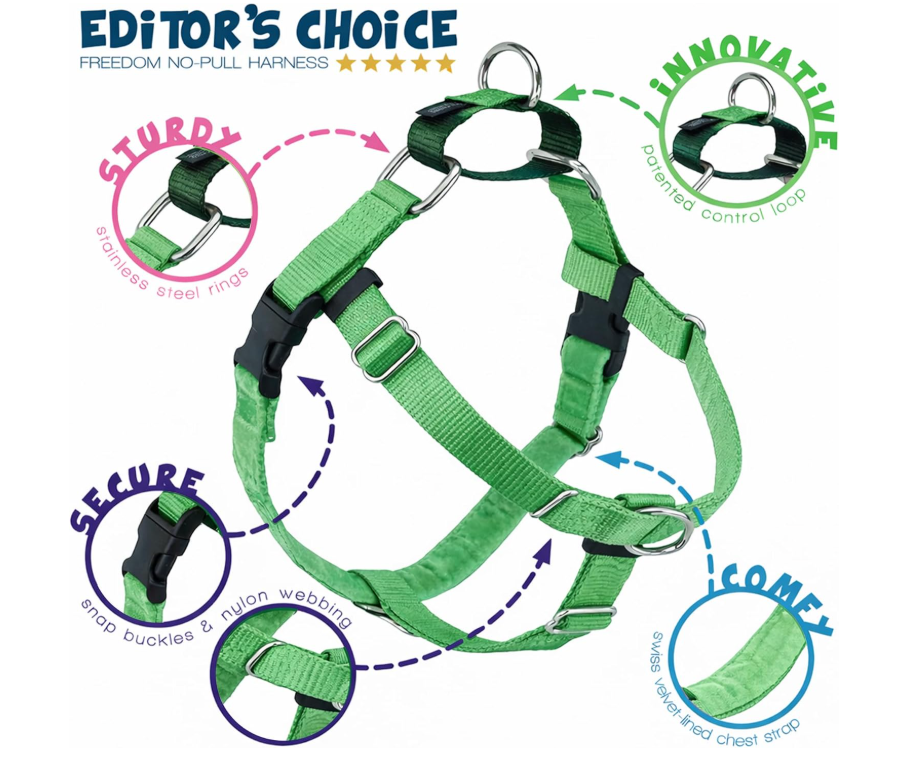
Freedom Harness
When your puppy has grown a bit, this is a great harness for training and daily outings. I personally only use the latch on the front of the harness. I am not a fan of the double leash option, or attaching the leash on the back side of the harness.
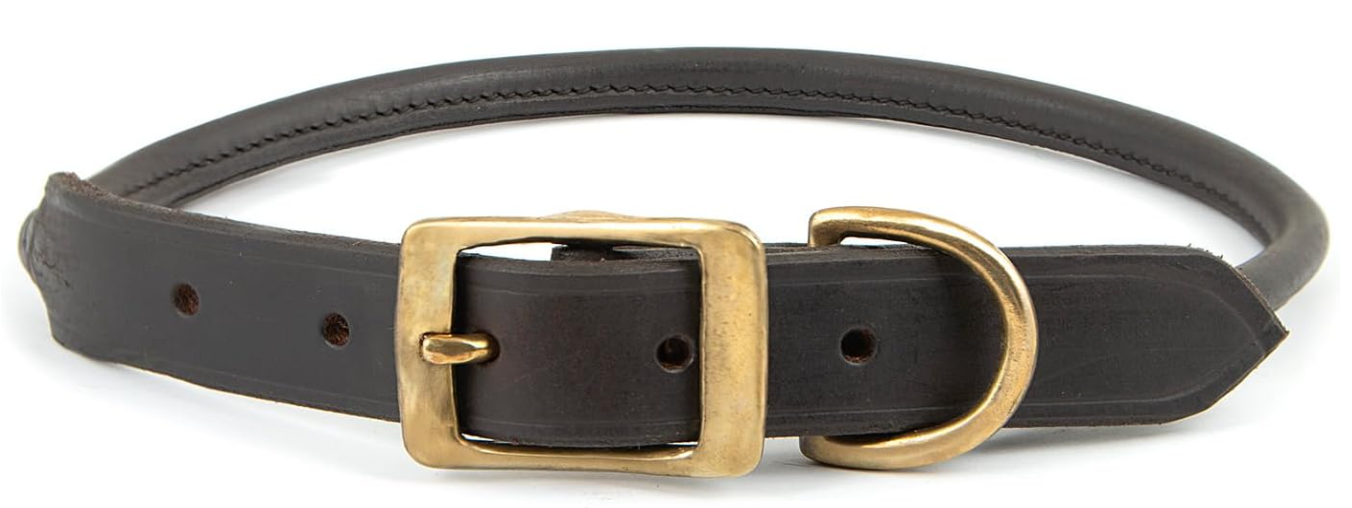
Rolled Leather Collar
This will be a bit big to start, but if you are looking for a quality collar that will last, rolled leather is the way to go. The rolled leather helps keep the coat from breaking. Not to worry though, I send you home with a nylon puppy collar and leash to get you started.
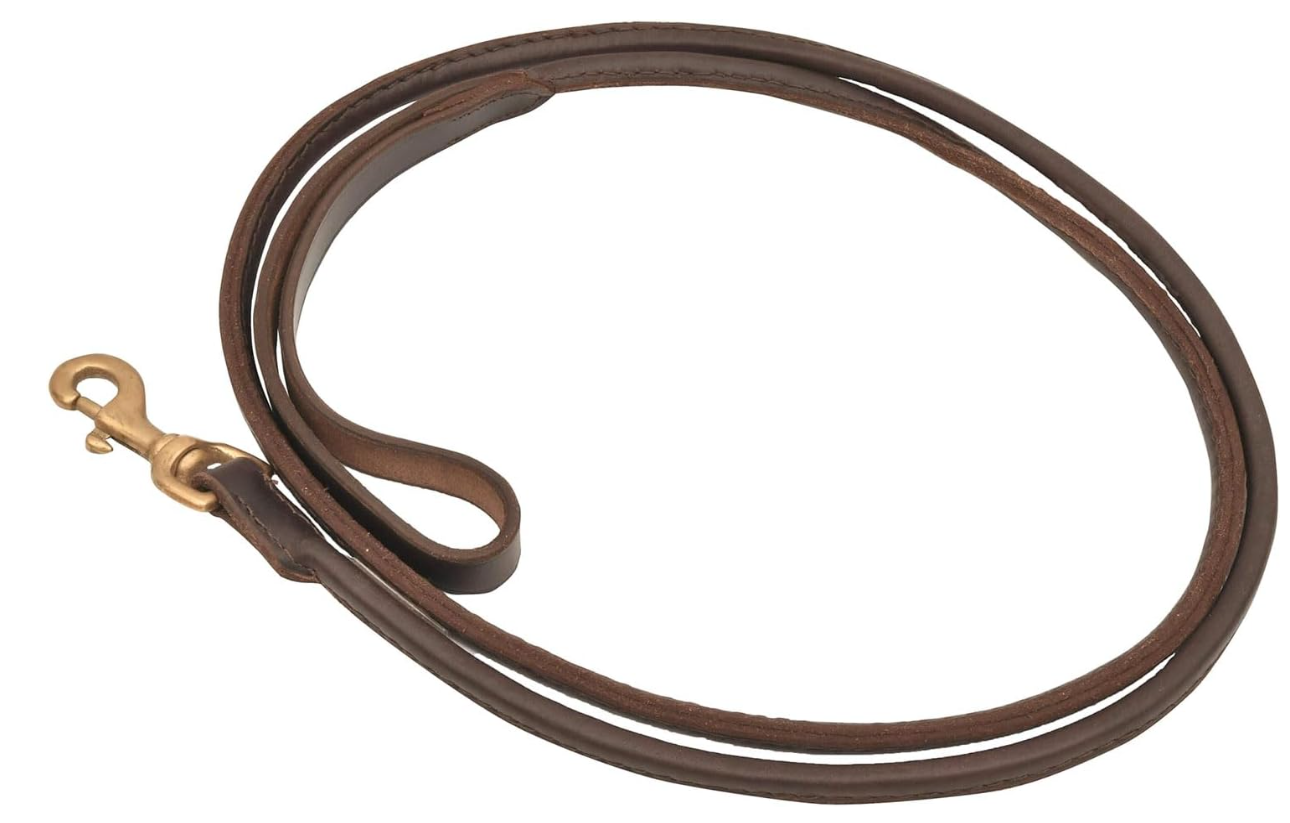
Leather Leash
Leather is always better in the hand than nylon. For a lifetime leash, leather is the way to go. This one will match the rolled leather collar above.
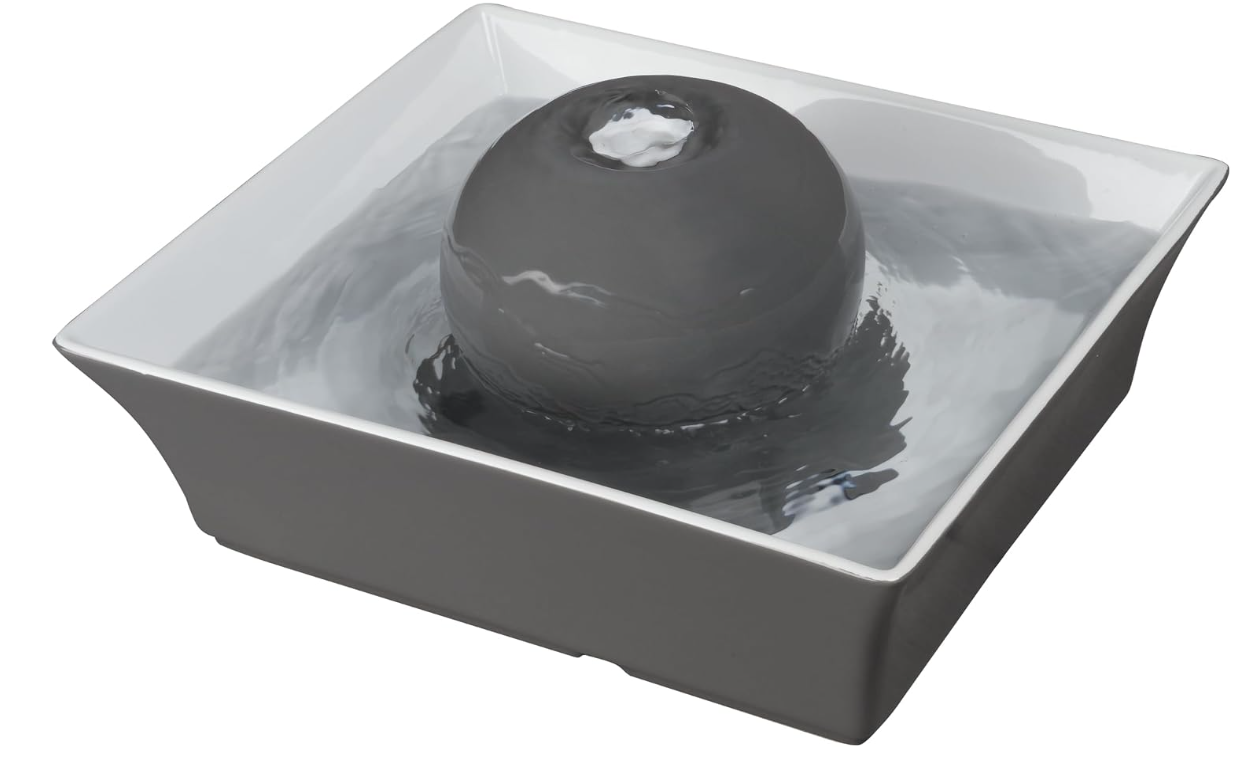
Ceramic Water Fountain
Our dogs LOVE their water fountain. This is best used as a house water, not to be set up in the puppy pen. Fresh filtered water is a great way to ensure that your pup is getting enough hydration.
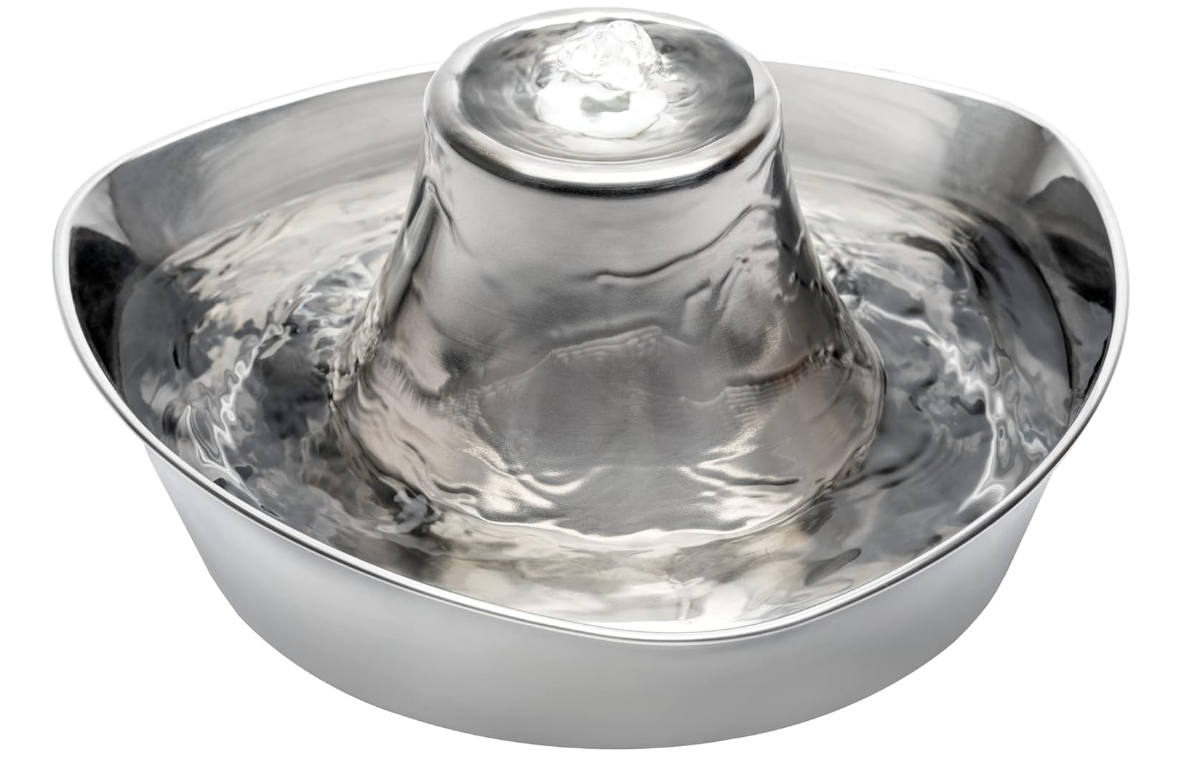
Stainless Water Fountain
My preference is ceramic, as I feel that it will last longer and is not as easily pushed around. This is a more economical option for a fountain.
* When you purchase the recommended products on this page, I do get compensation for some of the items. The money earned from these products go towards the care of our dogs. I greatly appreciate the continued support of our program.